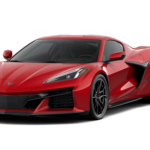
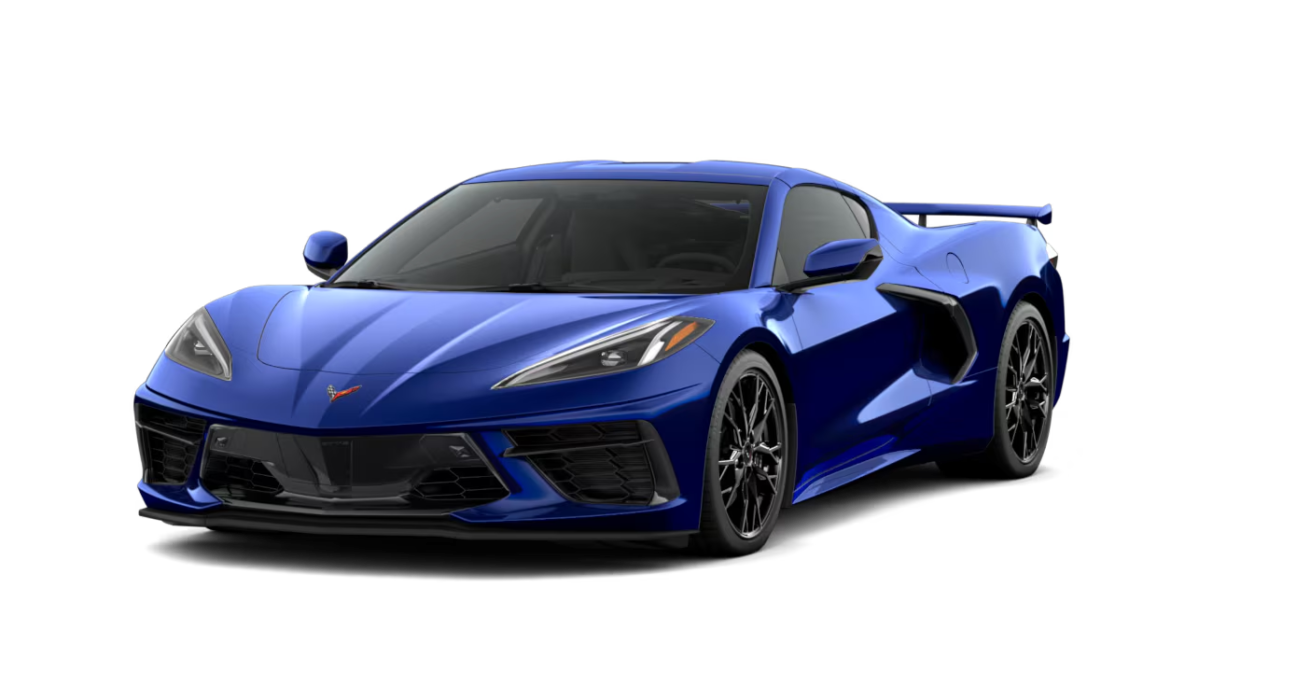
The 2027 Chevrolet Corvette Stingray is an exciting prospect for sports car enthusiasts who want exotic-car styling, thrilling acceleration, and serious performance without stepping into the price territory of some European supercars. As the entry point to Chevrolet’s modern Corvette lineup, the Stingray combines a mid-engine layout with a powerful V8 engine, a driver-focused cockpit, and a design that makes it stand out on the road.
For buyers considering a new performance car in 2027, the Corvette Stingray deserves attention because it offers a compelling combination of everyday usability and weekend driving excitement. Its low-slung body, wide stance, distinctive lighting, and sculpted aerodynamic surfaces give it a dramatic appearance, while its mid-engine configuration helps deliver the balanced handling expected from a modern sports car.
However, what should buyers expect from the 2027 model? Here is a closer look at its expected price, engine performance, exterior design, interior technology, safety features, driving experience, and overall value.
2027 Chevrolet Corvette Stingray: Key Specifications
The following table summarizes the Stingray’s established platform characteristics and estimated pricing context. Final 2027 model-year specifications should be verified against Chevrolet’s official announcement before publication.
| Specification | Details |
|---|---|
| Model | 2027 Chevrolet Corvette Stingray |
| Vehicle type | Two-seat mid-engine sports car |
| Engine layout | Naturally aspirated V8 |
| Engine displacement | 6.2-liter V8 on the current Stingray platform |
| Transmission | 8-speed dual-clutch automatic on the current generation |
| Drivetrain | Rear-wheel drive |
| Power output | Approximately 490–495 hp on comparable current Stingray configurations |
| Maximum torque | Approximately 465–470 lb-ft, depending on configuration |
| Body styles | Coupe and convertible on the current generation |
| Seating capacity | 2 passengers |
| Estimated starting price | To be confirmed for the 2027 model year |
| Primary competitors | Porsche 718 Cayman, Porsche 911, and other performance coupes |
Note: These are reference figures based on the existing C8-generation Corvette Stingray, not a confirmation of every 2027 specification. Equipment packages, exhaust configurations, and regional specifications can affect the final figures.
Exterior Design: Supercar Styling With American Character
The Chevrolet Corvette Stingray has developed a distinctive identity since the introduction of the C8 generation. Unlike earlier front-engine Corvettes, the current design places the engine behind the passenger compartment, allowing the body to adopt proportions associated with exotic sports cars.
The 2027 model is expected to retain the Stingray’s recognizable design language, although any facelift, revised lighting, new colors, or aerodynamic updates should be confirmed through official model-year information.
A Low, Wide and Aggressive Profile
The Stingray’s long-looking front section, compact cabin, broad rear haunches, and low roofline create an unmistakably athletic appearance. Deep side air intakes help feed cooling air toward the mid-mounted powertrain, while carefully sculpted bodywork gives the car a purposeful stance.
The wide rear section is particularly important to its visual identity. It emphasizes the rear-wheel-drive layout and gives the car a planted appearance, even when standing still.
Aerodynamic Details That Serve a Purpose
Modern sports car design is about more than appearance. Airflow management, engine cooling, and high-speed stability all influence the shape of the Corvette. Its front air passages, side intakes, underbody design, and rear-end treatment contribute to the car’s overall performance engineering.
Depending on the selected configuration, buyers may also have access to different wheel designs, exterior trim packages, spoilers, and other appearance or performance options.
Coupe or Convertible?
The Corvette Stingray has been offered in coupe and convertible forms during the C8 generation. The coupe appeals to drivers who prefer a fixed-roof appearance and the distinctive removable-roof experience associated with the model, while the convertible provides open-air driving.
Availability and equipment for the 2027 model year should be checked against the final order guide.
Engine and Performance: The Heart of the Stingray
One of the Corvette Stingray’s greatest strengths is its naturally aspirated 6.2-liter V8 engine. On comparable current-generation models, this engine produces approximately 490 horsepower, with output reaching around 495 horsepower when equipped with the applicable performance exhaust configuration.
The exact figures for the 2027 model have not been assumed here.
Naturally Aspirated V8 Power
Unlike a turbocharged engine that depends on exhaust-driven boost, a naturally aspirated V8 delivers its power without a turbocharger. That approach contributes to the Stingray’s distinctive engine character, responsive acceleration, and traditional American V8 soundtrack.
The engine is positioned behind the driver and passenger, a layout that changes the driving experience compared with a conventional front-engine muscle car. More of the car’s mass is concentrated toward the center and rear, helping create the dynamic characteristics expected of a mid-engine sports car.
For enthusiasts, the appeal is not simply the headline horsepower figure. The combination of engine response, exhaust sound, transmission behavior, and chassis balance is what makes the Corvette engaging to drive.
Dual-Clutch Transmission
The current C8 Corvette Stingray uses an eight-speed dual-clutch automatic transmission. Its design supports quick gear changes and helps keep the engine within its useful power range during acceleration.
A dual-clutch transmission can provide the convenience of an automatic in everyday traffic while delivering rapid shifts during spirited driving. Steering-wheel-mounted paddles also allow drivers to select gears manually when they want more control.
Buyers seeking a traditional manual gearbox should not assume one is available on the Stingray. The transmission specification should be checked for the exact 2027 version.
Expected Acceleration
The current Stingray is capable of reaching 60 mph in roughly three seconds under suitable conditions and with the appropriate equipment. That is serious performance for a sports car in this price category.
Actual acceleration depends on configuration, tire condition, road surface, weather, and testing methodology. The final 2027 performance figures should be confirmed before quoting a definitive time.
For normal driving, the more relevant benefit is the car’s ability to accelerate confidently for highway merging and overtaking. On a suitable closed course, its rapid response and quick transmission shifts become even more noticeable.
Handling and Driving Experience
Horsepower attracts attention, but handling determines whether a sports car remains enjoyable after the first burst of acceleration. The Corvette Stingray’s mid-engine platform is central to its appeal.
Balanced Mid-Engine Architecture
Placing the engine behind the cabin and ahead of the rear axle changes how the car responds to steering inputs. The layout can help the Corvette feel composed through corners, provided the driver respects the limits of the tires and chassis.
The Stingray’s wide stance and performance-oriented suspension are designed to support confident cornering. Its steering response and body control help make the car suitable for both enthusiastic road driving and occasional track use.
That does not mean every configuration behaves identically. Wheel and tire packages, suspension options, alignment, and driving modes can affect ride quality and handling characteristics.
Everyday Comfort Versus Track Performance
A good sports car should be entertaining without becoming exhausting on every journey. The Corvette’s available driving modes allow the driver to adjust aspects of the car’s behavior to suit different conditions.
A more relaxed setting is useful for commuting and longer trips, while sportier modes sharpen the overall driving experience. Optional performance-oriented equipment may further improve track capability, but it can also introduce trade-offs in ride comfort, tire cost, and everyday practicality.
For most owners, choosing the right configuration will matter more than chasing the most aggressive specification available.
Interior and Cabin Technology
The Corvette Stingray’s cabin is designed around the driver. Its two-seat layout, cockpit-style dashboard, and prominent center console create a more focused environment than a conventional grand touring sedan.
Driver-Focused Cockpit
The cabin wraps around the driver, placing key controls and displays within easy reach. The layout emphasizes the feeling of sitting inside a dedicated performance machine rather than an ordinary commuter car.
Depending on trim and equipment, buyers may find different seat designs, upholstery materials, decorative finishes, and interior color combinations. Higher-end options can give the cabin a more premium appearance, while sport-focused seats may provide additional support during cornering.
Infotainment and Digital Displays
The existing C8 platform incorporates digital instrumentation and a central infotainment display. These systems provide access to essential driving information, media, navigation where equipped, and vehicle settings.
Smartphone integration and other connected features depend on the specific model year, equipment package, and regional market. The precise screen sizes, software updates, and connectivity functions for the 2027 Stingray should be verified from Chevrolet’s published specifications.
Is It Comfortable for Daily Driving?
The Corvette has only two seats, and its low seating position can make entry and exit less convenient than in a regular car. Rear visibility, storage limitations, and the wide body may also require some adjustment for new owners.
Nevertheless, its sports-car format does not automatically make it unsuitable for everyday use. The right suspension configuration, comfortable seats, available storage areas, and modern cabin features can make routine driving more manageable.
The key is understanding that the Stingray prioritizes driving enjoyment over the space and flexibility of a family vehicle.
Safety and Driver-Assistance Features
Safety equipment is an important consideration when buying a high-performance car. Modern Corvette models offer a range of driver-assistance and convenience technologies, but exact availability varies by model year, trim, and package.
Potentially relevant features to check include:
- Rear camera and parking assistance systems
- Blind-zone monitoring where equipped
- Rear cross-traffic alert where equipped
- Stability control and traction management
- Anti-lock braking and electronic brake-force control
- Airbag systems and seat-belt safety equipment
- Additional driver-assistance technology offered for the selected configuration
These features should not be treated as a confirmed list for every 2027 Stingray. Buyers should consult the official equipment guide and local-market specification sheet to establish which systems are standard, optional, or unavailable.
Performance also places responsibility on the driver. Advanced electronic systems can help manage certain situations, but they cannot overcome every limitation imposed by speed, tire grip, road conditions, or driver error.
2027 Chevrolet Corvette Stingray Price: What Should Buyers Expect?
The final starting price of the 2027 Chevrolet Corvette Stingray should be confirmed through Chevrolet’s official pricing announcement. A specific figure would be misleading without verified model-year pricing and a clear indication of whether it includes destination charges.
For budgeting purposes, buyers can use the preceding model year’s official MSRP as a reference point, then allow for possible changes in base pricing, options, dealer charges, taxes, and delivery costs.
What Can Increase the Final Price?
The advertised starting price is only part of the purchasing decision. The final cost can change significantly depending on the selected equipment.
Important price factors include:
- Coupe or convertible body style
- Interior upgrades and premium seating
- Wheel and tire packages
- Performance exhaust and suspension options
- Exterior appearance packages
- Advanced driver-assistance and convenience equipment
- Destination charges, taxes, and dealer-installed accessories
International buyers should also account for shipping, import duties, registration costs, and local taxes. These expenses can make the Corvette substantially more expensive outside the United States.
Is the Corvette Stingray Good Value?
The Stingray’s appeal comes from delivering mid-engine sports-car architecture, a naturally aspirated V8, and impressive acceleration in a package positioned below many higher-end exotic cars.
However, purchase price alone does not determine affordability. Insurance, fuel consumption, premium tires, brake servicing, maintenance, and depreciation all influence long-term ownership costs.
For buyers who want a genuine performance car rather than a luxury badge, the Stingray can be a compelling option—provided the complete ownership budget fits their needs.
Fuel Economy and Running Costs
A high-performance V8 should not be purchased with the expectation of economy-car fuel consumption. The Corvette’s actual efficiency depends on driving style, traffic conditions, road speed, and the configuration being used.
Steady highway driving may deliver better results than repeated hard acceleration or frequent urban stop-and-go journeys. Track driving can increase fuel use and place additional demands on tires, brakes, and other components.
Prospective owners should review the official 2027 EPA fuel-economy ratings when published. If buying outside the United States, local testing figures may differ.
Maintenance Considerations
Running costs can be higher than those of an ordinary passenger car because the Corvette uses performance-oriented components. Tires designed for grip may wear more quickly, while brake parts and scheduled servicing can cost more than those of a mainstream sedan.
Owners who regularly visit a track should budget for more frequent inspections and consumables. Checking the warranty terms, recommended service schedule, and availability of qualified technicians before purchasing is also sensible.
Main Rivals of the 2027 Chevrolet Corvette Stingray
The Stingray competes with sports cars that offer different interpretations of performance, refinement, and prestige.
Porsche 911
The Porsche 911 is a natural alternative for buyers who want a high-performance sports car with a long-established reputation, a refined cabin, and a wide range of configurations. Its rear-engine layout creates a different driving character from the Corvette’s mid-engine design.
The best choice depends on the desired balance between handling, daily comfort, equipment, brand preference, and overall cost.
Porsche 718 Cayman
The 718 Cayman has traditionally appealed to drivers who prioritize precise handling and a compact sports-car feel. Its mid-engine architecture makes it an interesting comparison with the Corvette, although engine options and availability depend on the model year and market.
Buyers should compare the actual versions available at the time of purchase rather than relying on older specifications.
Other Performance Coupes
Depending on location and budget, alternatives may include premium performance coupes from BMW, Mercedes-AMG, and other manufacturers. These cars may offer different strengths in comfort, technology, interior quality, and everyday usability.
The Corvette’s key differentiator remains its combination of V8 character, mid-engine proportions, and high performance relative to its traditional starting-price position.
Pros and Cons of the 2027 Chevrolet Corvette Stingray
Pros
- Distinctive mid-engine sports-car design
- Naturally aspirated V8 character
- Strong acceleration and rapid gear changes
- Driver-focused cockpit
- Coupe and convertible choices on the existing platform
- Engaging handling and performance-oriented engineering
- Potentially strong performance value compared with more expensive exotic cars
Cons
- Only two seats
- Limited practicality compared with ordinary cars
- Potentially expensive tires, insurance, and maintenance
- Low seating position may not suit every driver
- Visibility and maneuverability can require adjustment
- Final 2027 pricing and specification details need official confirmation
- Performance tires and suspension options may reduce comfort on rough roads
Who Should Buy the 2027 Corvette Stingray?
The Stingray is best suited to drivers who place a high value on performance, distinctive styling, and an engaging driving experience. It can appeal to enthusiasts looking for a weekend sports car, a special-occasion vehicle, or a performance car that can also handle selected everyday journeys.
It may be less suitable for families needing rear seats, buyers who prioritize low running costs, or drivers who frequently travel on poor road surfaces. Anyone considering the car as a daily driver should test its seating position, visibility, ride comfort, and storage capacity before committing.
For enthusiasts who want a powerful V8 and a modern mid-engine layout, however, the Corvette remains a distinctive proposition.
Final Verdict: Is the 2027 Chevrolet Corvette Stingray Worth Waiting For?
The 2027 Chevrolet Corvette Stingray has the foundations to remain an appealing sports car: a dramatic mid-engine design, a naturally aspirated V8 on the current platform, rapid dual-clutch shifting, and handling designed around driver engagement.
Its greatest strength is the way it combines exotic-looking proportions with a performance package that has traditionally been more accessible than many premium European alternatives. It is not a practical family vehicle, nor is it designed to minimize every ownership expense. Instead, it focuses on delivering the excitement that makes a dedicated sports car special.
The final verdict will depend on Chevrolet’s confirmed 2027 pricing, specifications, equipment, and any model-year changes. Buyers should verify those details before placing an order.
If Chevrolet carries forward the current Stingray formula, the 2027 model should remain worth considering for drivers who want V8 performance, bold styling, and an engaging alternative to more expensive sports cars.
Overall assessment: The Corvette Stingray is a strong candidate for enthusiasts who value performance and character over practicality. Confirmed 2027 specifications and pricing will determine how compelling the new model is against its closest rivals.
Share this content: