The 2027 Dodge Charger represents a new direction for one of America’s most recognizable muscle cars. Known for its bold styling, powerful engines and aggressive road presence, the Charger continues to attract drivers who want something more exciting than an ordinary sedan. The latest generation takes that reputation forward with turbocharged gasoline power, an advanced electric performance option and a modern interior designed around technology and driver engagement.
For the 2027 model year, Dodge offers the Charger with a choice of powertrains, including the twin-turbocharged 3.0-liter Hurricane inline-six and the all-electric Daytona. Buyers can also choose between two-door and four-door body styles, depending on the model and trim.
This combination makes the new Charger interesting for several types of buyers. Some will prefer the sound and character of a gasoline engine, while others may be attracted to the immediate acceleration of an electric performance car. Both approaches aim to deliver the bold personality that has made the Charger a familiar name in the American automotive market.
In this comprehensive 2027 Dodge Charger review, we examine its estimated ownership considerations, announced prices, engine specifications, exterior styling, cabin technology, driving characteristics, practicality and potential drawbacks.
2027 Dodge Charger: Key Highlights
- Available with twin-turbocharged gasoline power or an all-electric drivetrain.
- Gasoline engine outputs of up to 550 horsepower in the SIXPACK Scat Pack.
- Electric Daytona Scat Pack with up to 670 horsepower under Dodge’s published specifications.
- Available two-door coupe and four-door body styles.
- Modern digital instrument displays and a large central infotainment screen.
- Performance-focused suspension, braking and driving modes on selected trims.
- Distinctive widebody styling with several personalization options.
The 2027 Charger is not simply a continuation of the traditional V8-powered formula. Instead, it offers a different interpretation of the modern muscle car, combining strong acceleration with updated engineering and contemporary convenience features.
2027 Dodge Charger Price and Trim Levels
Price is one of the most important considerations when evaluating the 2027 Dodge Charger. The gasoline models provide the more accessible entry point, while the electric Daytona sits higher in the range.
The following figures represent announced U.S. starting prices for selected configurations, including the stated destination charge. They exclude taxes, registration, dealer fees and optional equipment.
| Model | Approximate starting MSRP |
|---|---|
| Charger R/T SIXPACK Coupe | $49,995 |
| Charger R/T SIXPACK Four-Door | $51,995 |
| Charger R/T Plus Coupe | $54,990 |
| Charger R/T Plus Four-Door | $56,990 |
| Charger Scat Pack Coupe | $54,995 |
| Charger Scat Pack Four-Door | $56,995 |
| Charger Scat Pack Plus Coupe | $59,990 |
| Charger Scat Pack Plus Four-Door | $61,990 |
| Charger Daytona Scat Pack EV | $72,495 |
| Charger Daytona Scat Pack Plus EV | $77,490 |
Actual transaction prices can vary by configuration, dealer and market. Buyers should confirm the applicable manufacturer’s suggested retail price before placing an order.
For shoppers who want a powerful gasoline performance car without moving into the highest trim levels, the R/T SIXPACK is a logical starting point. The Scat Pack offers more horsepower and additional performance equipment. The Daytona is aimed at drivers who prefer an electric drivetrain and are comfortable with the charging requirements associated with battery-powered vehicles.
International buyers should calculate the complete landed cost rather than relying on the American sticker price. Shipping, import duties, taxes, insurance and registration can substantially increase the final cost in countries such as Bangladesh.
Engine and Performance: Three Different Approaches
The 2027 Dodge Charger lineup combines two gasoline engine configurations with an electric performance option. Each has a different balance of output, driving character and ownership requirements.
Dodge Charger R/T SIXPACK
The R/T SIXPACK uses a 3.0-liter twin-turbocharged inline-six engine producing a claimed 420 horsepower and 468 lb-ft of torque.
Dodge quotes a zero-to-60-mph acceleration time of approximately 4.6 seconds and a quarter-mile time of 12.9 seconds. These figures put the R/T firmly within the performance-car category, even though it serves as the entry point to the gasoline lineup.
The twin-turbo engine focuses on delivering strong torque without requiring the driver to keep the engine at very high revolutions. That characteristic should make the car responsive during highway overtaking, merging and everyday acceleration.
An eight-speed automatic transmission manages engine output, while the standard all-wheel-drive system is designed to provide traction in different driving conditions. A selectable rear-wheel-drive mode gives the gasoline Charger a more traditional performance-oriented character when conditions permit.
For drivers who want a fast and distinctive car for regular use, the R/T offers an appealing balance between power and price.
Dodge Charger Scat Pack SIXPACK
The Scat Pack takes performance a step further with the high-output version of the 3.0-liter twin-turbocharged inline-six.
Its published specifications include:
- Engine: 3.0-liter twin-turbocharged inline-six
- Maximum output: 550 horsepower
- Maximum torque: 531 lb-ft
- Transmission: Eight-speed automatic
- Drivetrain: All-wheel drive with selectable rear-wheel-drive mode
- Claimed zero-to-60-mph time: 3.9 seconds
- Claimed quarter-mile time: 12.2 seconds
The high-output engine uses larger performance-focused turbocharging specifications and increased boost pressure. Dodge also equips the Scat Pack with additional performance features, which can include upgraded braking hardware, a performance suspension, launch-control functions and other track-oriented equipment.
These upgrades make the Scat Pack particularly attractive to enthusiasts who want more than straight-line speed. Strong braking, predictable handling and effective tire grip are essential when a vehicle produces this much power.
The selectable rear-wheel-drive mode is another important feature for drivers who enjoy a more traditional muscle-car experience. However, the car’s performance will always depend on road conditions, tire temperature, driver inputs and the selected driving configuration.
Dodge Charger Daytona Scat Pack Electric
The electric Daytona takes a different route to high performance. Instead of using a gasoline engine and conventional transmission, it relies on electric motors to deliver power to the wheels.
Dodge lists the Daytona Scat Pack with up to 670 horsepower and 627 lb-ft of torque. Its published performance figures include a zero-to-60-mph time of approximately 3.3 seconds and a quarter-mile run of 11.5 seconds.
A temporary PowerShot function can provide an additional 40 horsepower for a limited period under the specified operating conditions.
The Daytona’s immediate torque delivery should make acceleration feel different from the gasoline models. Electric motors can respond quickly without the engine-speed changes associated with a conventional powertrain.
Dodge estimates a driving range of up to 267 miles for the applicable configuration. Real-world range can vary with speed, temperature, driving style, tire choice and the use of climate control.
For buyers who regularly travel long distances, charging availability deserves careful consideration. The Daytona is most convenient for owners who have dependable access to home charging or a suitable public charging network.
2027 Dodge Charger Specifications
The following table summarizes the principal advertised specifications of the three main performance configurations.
| Specification | R/T SIXPACK | Scat Pack SIXPACK | Daytona Scat Pack |
|---|---|---|---|
| Powertrain | Twin-turbo gasoline | High-output twin-turbo gasoline | Electric |
| Engine displacement | 3.0 liters | 3.0 liters | Not applicable |
| Maximum horsepower | 420 hp | 550 hp | Up to 670 hp |
| Maximum torque | 468 lb-ft | 531 lb-ft | 627 lb-ft |
| Transmission | Eight-speed automatic | Eight-speed automatic | Single-speed electric drive |
| Drivetrain | AWD, selectable RWD mode | AWD, selectable RWD mode | AWD |
| Claimed 0–60 mph | 4.6 seconds | 3.9 seconds | 3.3 seconds |
| Claimed quarter-mile | 12.9 seconds | 12.2 seconds | 11.5 seconds |
| Estimated electric range | Not applicable | Not applicable | Up to 267 miles |
All performance figures are manufacturer claims and may depend on vehicle configuration and test conditions. The gasoline models and electric Daytona also use different power delivery systems, so their specifications should not be interpreted as identical measures of real-world performance.
Exterior Design: An Aggressive Modern Muscle Car
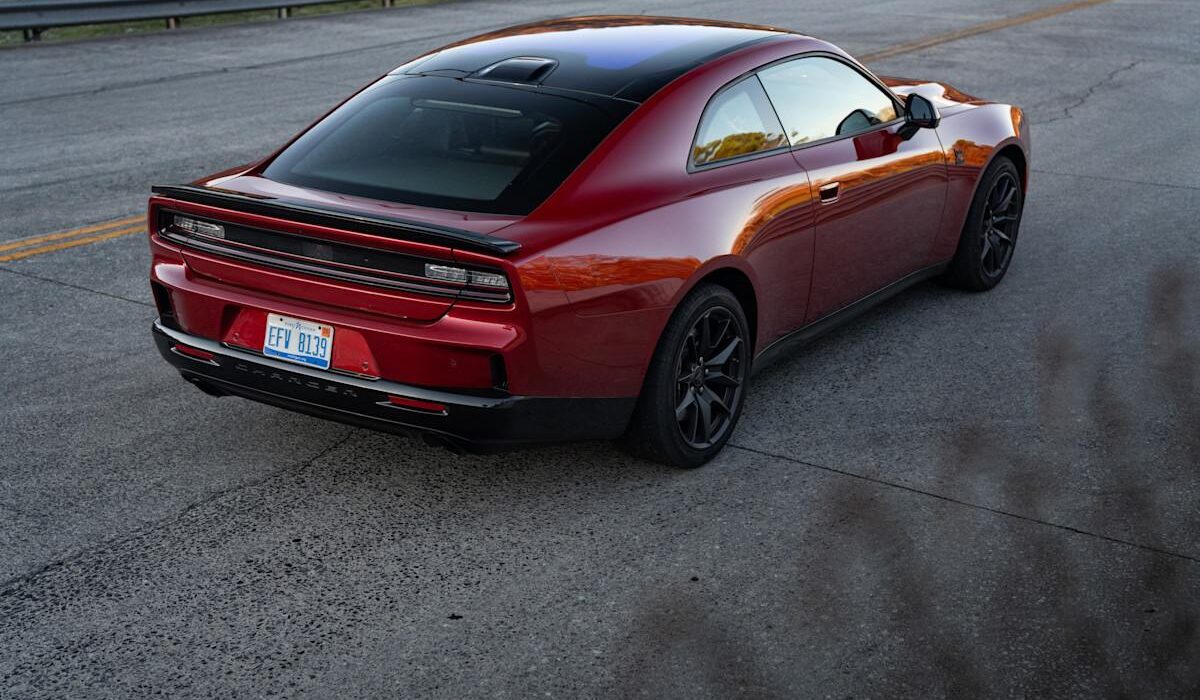
The 2027 Dodge Charger maintains a strong visual identity. Its wide front end, sculpted bodywork, muscular proportions and distinctive lighting give it a presence that separates it from conventional family sedans.
The front fascia emphasizes width and strength, while the long hood and carefully shaped side panels reinforce its performance-oriented appearance. At the rear, the broad stance and distinctive lighting create a recognizable profile.
The two-door coupe is the natural choice for drivers who prefer a traditional sports-coupe silhouette. The four-door version provides easier passenger access while retaining the Charger’s muscular appearance.
Dodge also offers various personalization options, depending on trim and equipment. These can include hood treatments, body graphics, contrasting stripes, different wheel designs and selected brake-caliper finishes.
The result is a car that can look understated in one configuration or considerably more aggressive in another.
Although the 2027 updates add customization opportunities, the overall design remains an evolution of the current-generation Charger rather than a completely new exterior concept.
Interior Design and Cabin Comfort
Inside the 2027 Dodge Charger, the emphasis shifts from exterior drama to a driver-focused layout. Digital displays, a prominent center touchscreen and a modern center console give the cabin a contemporary appearance.
The dashboard is arranged to make important driving information accessible without overwhelming the driver. Depending on the selected configuration, the instrument display can show speed, vehicle information and performance-related data.
The base gasoline R/T features a 12.3-inch central touchscreen and a 10.25-inch digital instrument cluster. Selected configurations offer a larger 16-inch instrument display.
Interior equipment varies by trim, but available features can include:
- Wireless Apple CarPlay and Android Auto.
- Smartphone charging and connected navigation features.
- A head-up display.
- A surround-view camera.
- Adjustable ambient interior lighting.
- Power-adjustable front seats.
- Heated and ventilated seating on selected configurations.
- A panoramic glass roof.
- An upgraded premium audio system.
Higher trims can also offer distinctive upholstery and contrasting interior details. Selected Scat Pack configurations feature Petrol Blue performance leather seats with red stitching, while contrasting seat belts add another customization option.
These features help the Charger compete in a market where buyers increasingly expect both performance and modern convenience.
However, not every feature is standard across the range. Before purchasing, buyers should compare the exact equipment list of the individual vehicle rather than assuming that all advertised features are included in the base model.
Space, Practicality and Everyday Use
The Charger is more than a straight-line performance car. Its available four-door body style makes it a more practical proposition for drivers who regularly carry passengers.
Rear doors make it easier for adults and children to enter the cabin, while the rear cargo area provides space for everyday items and travel luggage. The wide opening and flexible layout can be useful for shopping, commuting and weekend trips.
The two-door coupe appeals more strongly to buyers who prioritize styling and a sportier silhouette. Its access to the rear seats may be less convenient for passengers who frequently travel in the back.
The Charger’s size, however, has some disadvantages. Its broad body can make parking in narrow spaces more difficult, and its performance-oriented proportions may not be ideal for crowded urban environments.
Ride comfort will also depend on the selected trim, wheels, tires and suspension configuration. Buyers who regularly travel on rough roads should test-drive the car before committing to a particular wheel and tire package.
For everyday use, the four-door R/T SIXPACK appears to offer the most balanced combination of performance, accessibility and price.
Technology and Infotainment
Modern technology is an important part of the Charger’s appeal. The digital instrument panel and central touchscreen provide access to vehicle settings, media, navigation and connected smartphone functions.
Wireless smartphone integration reduces the need for cables, while selected configurations offer additional convenience through wireless charging and advanced display options.
Performance-oriented versions can provide driving information and specialized controls that allow drivers to tailor the car’s behavior to different conditions.
Higher trims may also include a head-up display, upgraded audio equipment and additional camera functions. These features can improve convenience, although their availability depends on the specific package.
The important consideration is usability. A performance car should provide clear information without distracting the driver, and the Charger’s modern cockpit aims to balance digital functionality with a driver-centered layout.
Safety and Driver-Assistance Features
The 2027 Charger offers a range of modern driver-assistance technologies, depending on trim and equipment.
Available systems can include forward-collision warning, automatic emergency braking, blind-spot monitoring, rear cross-path detection, lane-related assistance, traffic-sign recognition and driver-attention monitoring.
Selected configurations also offer parking assistance and a surround-view camera, which can help when maneuvering a large vehicle in confined spaces.
These technologies are designed to support the driver rather than replace attentive driving. Their capabilities and limitations vary, and drivers should remain alert even when assistance systems are active.
Before purchasing, check the safety equipment included in the specific trim and consult independent crash-test results where available.
Fuel Economy, Electric Range and Ownership Costs
Performance is only one part of the ownership equation. Fuel or electricity consumption, insurance, maintenance and tire replacement can have a meaningful impact on the total cost of owning a 2027 Dodge Charger.
Gasoline Charger running costs
The R/T and Scat Pack require gasoline, and their actual fuel consumption will depend heavily on how they are driven.
Frequent acceleration, high-speed driving, heavy traffic and short trips can increase fuel use. Drivers who regularly use the car’s performance capabilities should expect different consumption from those who drive smoothly on longer journeys.
Official fuel-economy figures should be checked for the exact model and configuration. Without verified ratings, assigning a precise miles-per-gallon figure would create a misleading impression of running costs.
Electric Daytona running costs
The Daytona replaces gasoline purchases with electricity costs. Owners who can charge at home may find the charging routine convenient, while those who depend entirely on public charging will need to consider charger availability and pricing.
The estimated range of up to 267 miles is a useful starting point, but it is not a guarantee of real-world distance. Cold weather, high speeds and aggressive driving can reduce the distance covered between charges.
Battery-related warranty coverage and access to qualified service facilities should also be part of the purchase decision.
Which powertrain is cheaper to own?
| Ownership factor | Gasoline SIXPACK | Electric Daytona |
|---|---|---|
| Energy source | Gasoline | Electricity |
| Refueling | Conventional fuel stations | Home or public charging |
| Long-distance planning | Usually straightforward | Depends on charging access |
| Routine servicing | Engine and conventional powertrain maintenance | Electric drivetrain maintenance |
| Main cost variables | Fuel, tires, servicing and insurance | Electricity, tires, servicing and insurance |
Neither powertrain is guaranteed to be cheaper in every location. Local energy prices, annual mileage, insurance premiums, repair costs and resale values will determine the actual difference.
Advantages and Disadvantages of the 2027 Dodge Charger
Pros
Strong performance: The gasoline Scat Pack delivers up to 550 horsepower, while the electric Daytona offers up to 670 horsepower under Dodge’s published specifications.
Distinctive design: Its wide stance, muscular proportions and recognizable lighting make it stand out from conventional sedans.
Powertrain choice: Buyers can choose between turbocharged gasoline performance and electric acceleration.
Four-door practicality: The available four-door configuration makes the Charger more versatile for passengers and everyday travel.
Modern technology: Digital displays, smartphone integration and available driver-assistance features bring the car in line with contemporary expectations.
Personalization: A selection of trim levels, exterior treatments and interior finishes gives buyers opportunities to tailor the vehicle.
Cons
Premium purchase price: Higher-performance versions can become expensive before taxes and optional equipment.
No conventional V8 in the featured SIXPACK models: Traditional muscle-car enthusiasts may prefer the sound and character of a V8 engine.
Potentially high running costs: Fuel, tires, insurance and performance-related servicing can add up.
Electric charging requirements: Daytona owners need to plan around range and charging access, especially on longer trips.
Large exterior dimensions: The broad body may be inconvenient in narrow streets and tight parking spaces.
2027 Dodge Charger vs. Its Main Competitors
The Charger’s most relevant competitors depend on the powertrain and driving experience a buyer wants.
Ford Mustang GT
The Ford Mustang GT is a strong alternative for drivers who want a traditional V8-powered American sports coupe. Its rear-wheel-drive layout and familiar engine character appeal to enthusiasts who place a high value on the classic muscle-car formula.
The Charger offers a different proposition through its available four-door body style and all-wheel-drive gasoline configuration. Buyers who need more passenger accessibility may find the four-door Charger more practical.
Ford Mustang Mach-E GT
The Mustang Mach-E GT offers electric performance in an SUV-style body. It may appeal to families who prefer a higher seating position and a crossover layout.
The electric Charger Daytona is more focused on the low, wide appearance of a performance car, making it a different choice for buyers who want electric power without the conventional SUV shape.
Tesla Model 3 Performance
The Tesla Model 3 Performance is another alternative for buyers interested in quick electric acceleration. Its sedan dimensions and access to Tesla’s charging ecosystem can make it attractive to drivers who prioritize electric convenience.
The Daytona offers a more overtly muscular appearance and a different approach to performance-car styling. The better option depends on personal taste, local charging access, equipment and total purchase cost.
Is the 2027 Dodge Charger Worth Buying?
The 2027 Dodge Charger is an appealing option for buyers who want strong acceleration, distinctive styling and a choice of powertrain technologies.
The R/T SIXPACK is the sensible starting point for drivers who want a powerful gasoline car without moving into the highest trim levels. The Scat Pack is better suited to enthusiasts who value additional horsepower and performance equipment.
The Daytona Scat Pack is the most appropriate option for buyers who prefer electric power and want the quickest quoted acceleration among the three configurations discussed here. However, its range and charging requirements must fit the owner’s daily routine.
Price remains an important consideration. Buyers should evaluate the full cost of ownership rather than comparing vehicles solely on horsepower or acceleration times. Insurance, energy costs, maintenance and depreciation can change the overall value equation.
For international buyers, confirming import regulations, parts availability and access to qualified repair facilities is especially important before making a purchase.
Final Verdict
The 2027 Dodge Charger brings a different interpretation of the modern American muscle car. Its twin-turbocharged inline-six engines deliver substantial power, while the electric Daytona offers rapid acceleration without a conventional gasoline engine.
The aggressive exterior, digital cockpit, available four-door body style and extensive customization options broaden the Charger’s appeal beyond traditional muscle-car enthusiasts.
For most buyers who want a balance of price, performance and everyday usability, the R/T SIXPACK is the most logical place to start. The Scat Pack is the stronger choice for drivers who want more performance, while the Daytona is aimed at those ready to embrace electric ownership.
The Charger will not satisfy everyone. Some enthusiasts will miss the conventional V8, and the vehicle’s price and dimensions may be difficult to justify for drivers who simply need basic transportation.
Nevertheless, the 2027 Dodge Charger remains an interesting choice for anyone seeking a bold performance car with modern technology and multiple powertrain options. Its success will ultimately depend on how well its driving experience, ownership costs and practical features match the needs of the individual buyer.
Share this content: